The Way Massage Helps During Pregnancy
If you are pregnant, one of the best things you could do is to get a massage on a regular basis. It's important for the massage to fit your personality and needs and also to find one which suits your requirements and yours as a female. Many women have their own preferences when it comes to massages. Here are some of them:
Stress Levels - Prenatal massage was found to decrease the stress levels of elderly ladies. The reason is because massages increase blood circulation and oxygen to the uterus, which will help to get rid of stress hormones. The study was done by a single study to see how much pain girls felt from assorted activities. The results revealed that girls who had participated gave less pain than people who didn't receive any massage. This is good information for women that are pregnant and want to prevent the pain that appears. Additionally, it proves that prenatal care and massage proceed hand in hand and will truly decrease pain, especially because the massage will decrease stress levels.
Circulation and Relaxation - Massage aids the circulation and relaxes muscles. Massage also helps to alleviate the tension and stiffness that the thighs feel. If you have leg cramps, massage may relieve this symptom. Another reason massage is used for leg cramps is that flow is enhanced during massage. This helps to flush out toxins that cause cramping.
The Pillows You Work With - Some people believe that they will need to sleep on their back for six months to give birth. While this may be true, many still realize that they should use the cushions their pregnant bodies are so utilized to. Regrettably, cushions can make things worse instead of better while pregnant. After the pillow is propped up by a massage table, there is no direct pressure on the spine and this reduces the chances of sore backs and necks.
Pregnant Girls - Massage increases blood circulation. This is essential for pregnant women as their circulation is increased and oxygen is better spread. Circulation is improved because the massage movement is slow, soothing, and thorough. This allows for much more nutrients to be sent to the infant, which is particularly important during the last trimester when there's so much to do. Plus, with less strain on the flow, there is less prospect of miscarriage, a common complication of pregnancy.
Blood Flow and Stress - Most therapists understand that massage increases the blood flow into the body and reduces the amount of strain on the body. If your system is already stressed out, massage can help lessen the effects. In addition, the relaxation massage moves done by the therapist helps to calm you down. Plus, if you're pregnant and are handling nausea, cramps, and exhaustion, this can help reduce some of those symptoms.
Joint Pain - Prenatal massage is very helpful for relieving pain and stiffness in the pelvis, lower back, shoulders, and neck. These common discomforts tend to be alleviated during prenatal massage sessions. That is because the muscles and soft tissues are loosened and relaxed. As your infant develops and exercises, your uterus expands and moves the joints, so therefore during pregnancy, these joints are more likely to tighten and form cramps and other common distress.
Hormonal Changes - Prenatal massage has been proven to help relieve the discomfort from hormonal changes experienced by expectant mothers. Hormonal changes affect the muscles, ligaments, tendons and other cells. When these changes happen, there is an increase in blood flow, which increases lymph flow and oxygen in the tissues. Consequently, massage will help to alleviate the strain in tight muscles, decrease swelling, improve flexibility, and soothe tired and tight muscles.
Prenatal Massage Benefits For New Mamas
If you've ever gone into a massage parlor or health spa to find a massage you have probably seen the pictures on the signs they post of the massage tables and chairs. But did you know that massage isn't just about relaxation? A massage can actually help women throughout their pregnancy with some very specific benefits. Here are some examples:
Strengthening Your Lower Back. One of the primary advantages of a prenatal massage is that it can strengthen your back. Some of the muscles you'll be working are those in your lower spine. During your pregnancy, these muscles can tighten up and become ineffective. The goals of a prenatal massage include essentially the same tasks as your standard massage: for you relaxed, de-stresses, and address any tight regions of anxiety or pain so you leave your session feeling balanced and facilitate.
Managing Morning Sickness. A frequent problem that many new moms face is morning sickness. Many women who have never had a massage before discover that they struggle with this illness, feeling nauseous, bloated, and not able to move around. A prenatal massage can help you deal with nausea and give relief from other discomforts that come with being pregnant.
Improve Sleep. When you are pregnant, the last thing you want to feel is fatigue and distress. During your pregnancy you may realize that your sleep suffers and you need to take short naps during the day. A prenatal massage can help you feel great again and improve sleep, allowing you to feel rested as soon as you reach the late phases of your pregnancy.
Less Stress. During the first trimester, you might end up cramping up at the seams due to the amount of pressure that is placed on your stomach. A prenatal massage can relieve pressure points and lessen the feeling of stress, leaving you ready to face the day without any aches or pains.
Emotional Support. Because you are pregnant, it's necessary to find support from your therapist. Some therapists specialize in helping pregnant clients with psychological problems, such as morning sickness, anxiety, fatigue, and depression. Prenatal massage can also help your therapist understand a few of the feelings you encounter throughout your pregnancy, which helps him or her better give you support.
The benefits of massage therapy go past the soothing effects. When you lie down with a massage therapist as he or she massages your pregnant body, your body releases natural pain relievers called endorphins. These hormones are released through the skin and into the blood. This makes you feel great because endorphins are great at making you feel great. Additionally it is believed that endorphins are responsible for the relaxation and analgesic properties of massage therapy. The simple truth is that massage relieves you of the stress, pain, depression and fatigue.
Your therapist will begin with gentle pressure on your abdomen to loosen your muscles and prepare you for the massage. You might be given a moisturizing cream to use before the session. The entire process can be very relaxing and enjoyable. If you're not feeling as serene as you did when you were pregnant, do not worry; your therapist is trained to correct the pressure and stimulate the perfect pressure points.
Many expectant mothers find that they enjoy the benefits of a prenatal massage even greater than those who have delivered babies. Although some might see this as a luxury, it actually alleviates some of the pain, cramping, bloating and abdominal swelling that come along with pregnancy. Some mothers even report feeling less stressed after having a prenatal massage. The pressure helps to reduce swelling and decrease inflammation, which offers relief to you and your unborn baby.
A prenatal massage also reduces stress, improves circulation, enhances flexibility and muscle strength. Your body receives optimal blood circulation, which helps you fight off infections and relieve muscle spasms and pains. This type of massage also allows the muscles to relax, which is important during labor.
When done on a regular basis, massage can help you prevent issues with your growing baby. In fact, most massages should be done before any delivery if at all possible. Your muscles and ligaments will be prepared to accept the extra pressure when you get home. By relieving some of the strain on the growing baby, your body will also be prepared to deal with the extra stress of the delivery.
Massage Therapy and Myofascial Relaxation
Massage therapy is a therapeutic technique aimed at reducing stress and improving the quality of life 부천출장안마 by manipulation and touch of soft tissues. This is also known as chiropractic treatment. It's essential to ease tight muscles and tension while managing chronic pain or injury. Although massage therapy isn't new and has been used for a long time, it has gained popularity over the last ten years. Massage therapy is now used in private homes and hospitals to help with pain relief, rehabilitation as well as relaxation and sports injuries and is considered to be a health benefit in many ways.
Many chiropractors make use of chiropractic massage in combination with other techniques such as traction, massage therapy and alignment. To achieve therapeutic benefits, massage therapy can be applied directly to the spine. The method of massage employs gentle movements to manipulate soft tissue. They are commonly referred to as myofascial release techniques. "Myofascial," which refers to the tissue that surrounds the joint, and "release" is the process of stretching or elongating the tissue.
Myofascial Release (MR) is the word used to describe one of the many physical adjustments that a therapist applies to the spine during sessions of massage therapy. Mechanical adjustments can be used to correct alignment and form by applying controlled, directed pressure on joints and connective structures. This type of treatment could be very effective in delivering long-term relief from pain in those suffering from chronic sciatica or back pain. The technique is employed by many people with muscle and skeletal issues. Massage therapy is often suggested by chiropractors for patients suffering from muscular tension headaches, knee pain tennis elbow, menstrual pain, fibromyalgia tension headaches, neck pain and low back pain.
Massage therapy can offer some relief for pain right after an injury that has been traumatic. When muscles are injured they quickly recover from the injury. However, muscles can become stiff and tight if not taken care of properly. As a result, there will be a period of discomfort followed by the process of rehabilitation which is referred pain. If, for instance, you have slipped and sprained your ankle, the first step is to put it in ice and apply compressive bandages.
After three days your therapist is likely to administer an injection of cortisone for reducing inflammation. It will be then light exercise to help with the inflammation and stiffness. With time, this should result in less shoulder pain as well as increasing the mobility. If you have sustained an injury from trauma myofascial releases help restore the proper structure of the tissue surrounding the joint injured. The injured joint is able to move more freely and reduce the stress on the surrounding muscles and tendons.
Myofascial Release is best applied by trained and experienced massage therapists who are comfortable with its benefits and the best way to use it. method using only a few tools. Myofascial release is often used with physical therapy. Massage therapists have the ability to pinpoint the painful areas and let go of any negative energy resulting from overstretching. Myofascial Release therapists also know how to apply a precise technique that releases the negative energy without causing more discomfort.
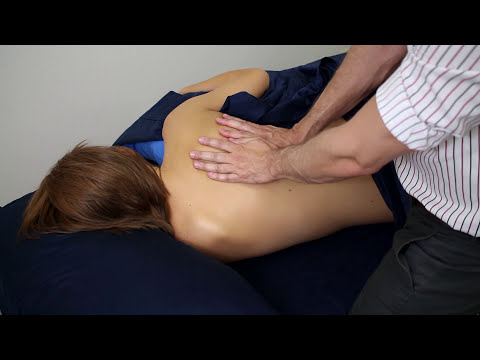
Myofascial release could help to relieve pain for people suffering from Fibromyalgia. It is a disorder which affects muscles as well as the tissues surrounding them. Patients suffering from fibromyalgia will be familiar with chronic tension, fatigue, and low back pain. Since the relief from pain comes from the same parts which are the source of the chronic pain, myofascial practitioners have developed methods that cover all areas of the body. Myofascial release is becoming increasingly popular to treat various chronic ailments, such as fibromyalgia.
Many people have discovered that myofascial therapy and massage therapy can be used to relieve chronic conditions. Myofascial release techniques can be used with traditional medicine to treat dysfunction and pain. If you combine this method with traditional treatments, it will aid in identifying the problematic regions and pinpoint the root of the problem. This results in an easier and faster healing process. Myofascial releases have become sought-after for all kinds of conditions.